
Harvest Gold
A Weekend with García de la Cruz in Madridejos

There’s a particular thrill to being in Madridejos just as the olive trees begin to sigh with ripeness and sunlight turns their fruit to molten gold. This past weekend we headed north for the Early Harvest Festival, hosted by García de la Cruz — an event that was part celebration, part conversation, and part gentle reminder that olive oil is far more than something you drizzle on salad.
Who is García de la Cruz?
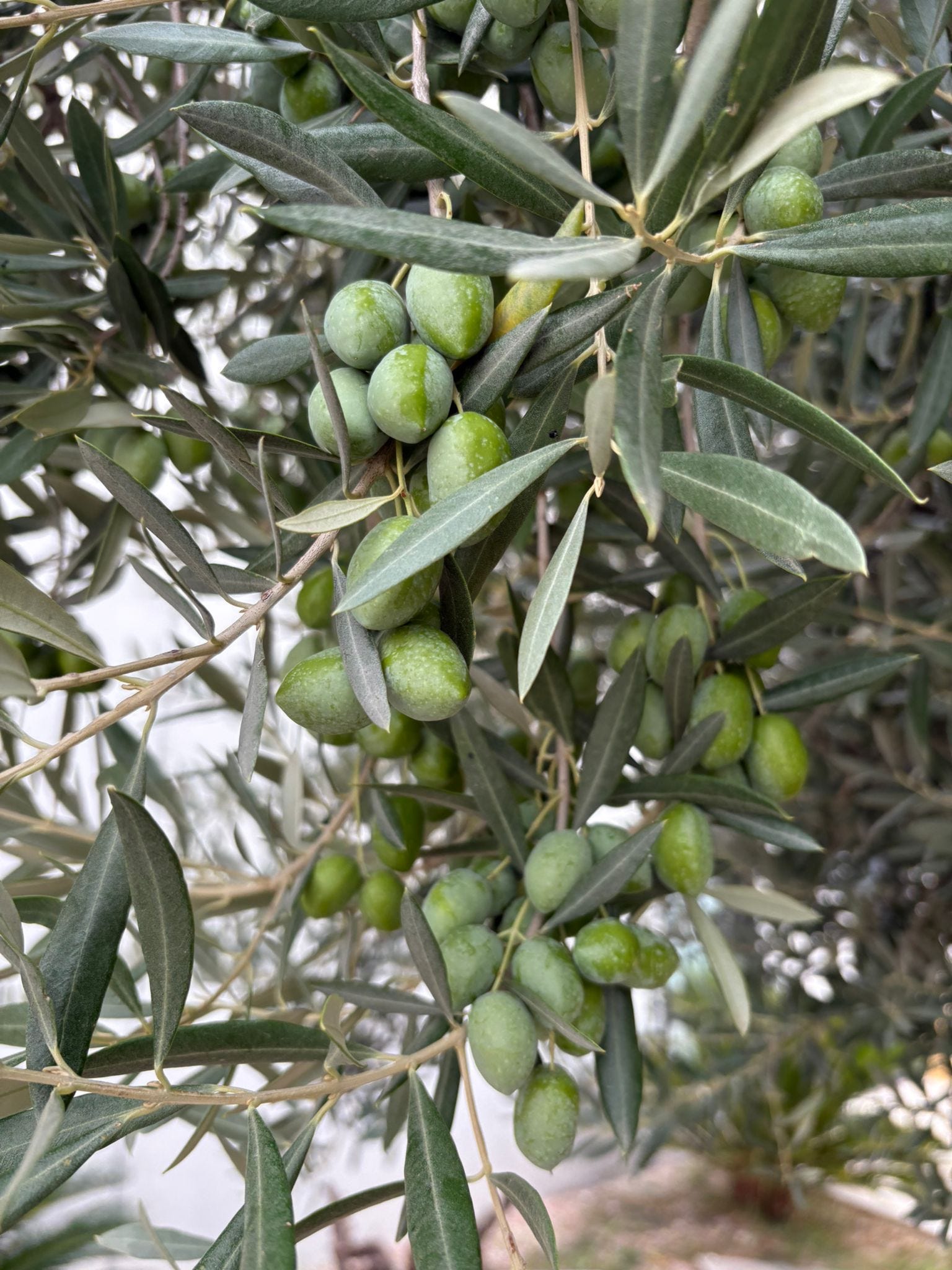
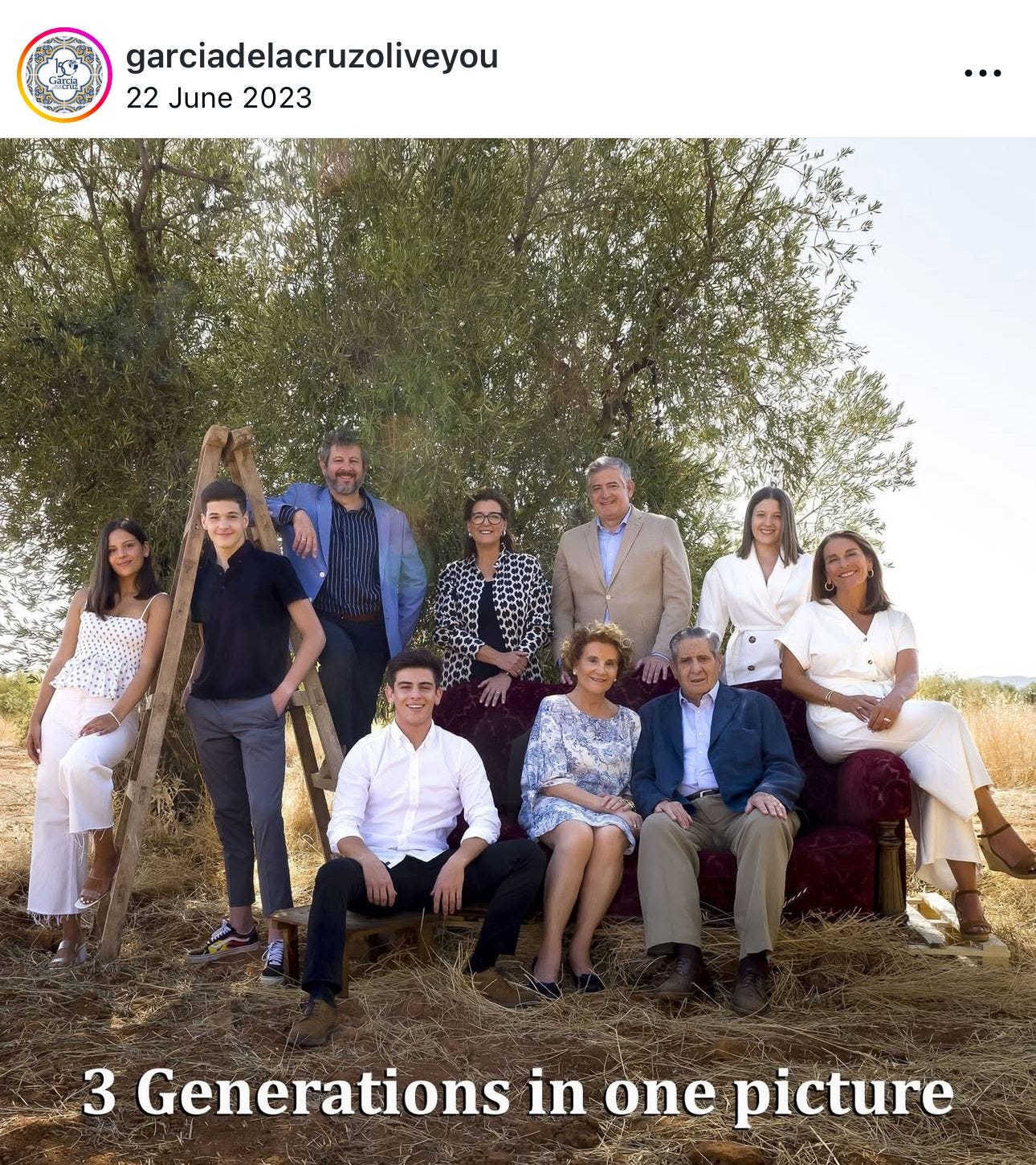
The name García de la Cruz carries serious weight in the Spanish olive oil world. Based in Madridejos, in the heart of Castilla-La Mancha, the family firm traces its roots back to 1872, making it one of Spain’s oldest continuously operating olive oil producers. Now in its fifth generation, it combines traditional groves and hand-harvesting with state-of-the-art milling and global distribution.
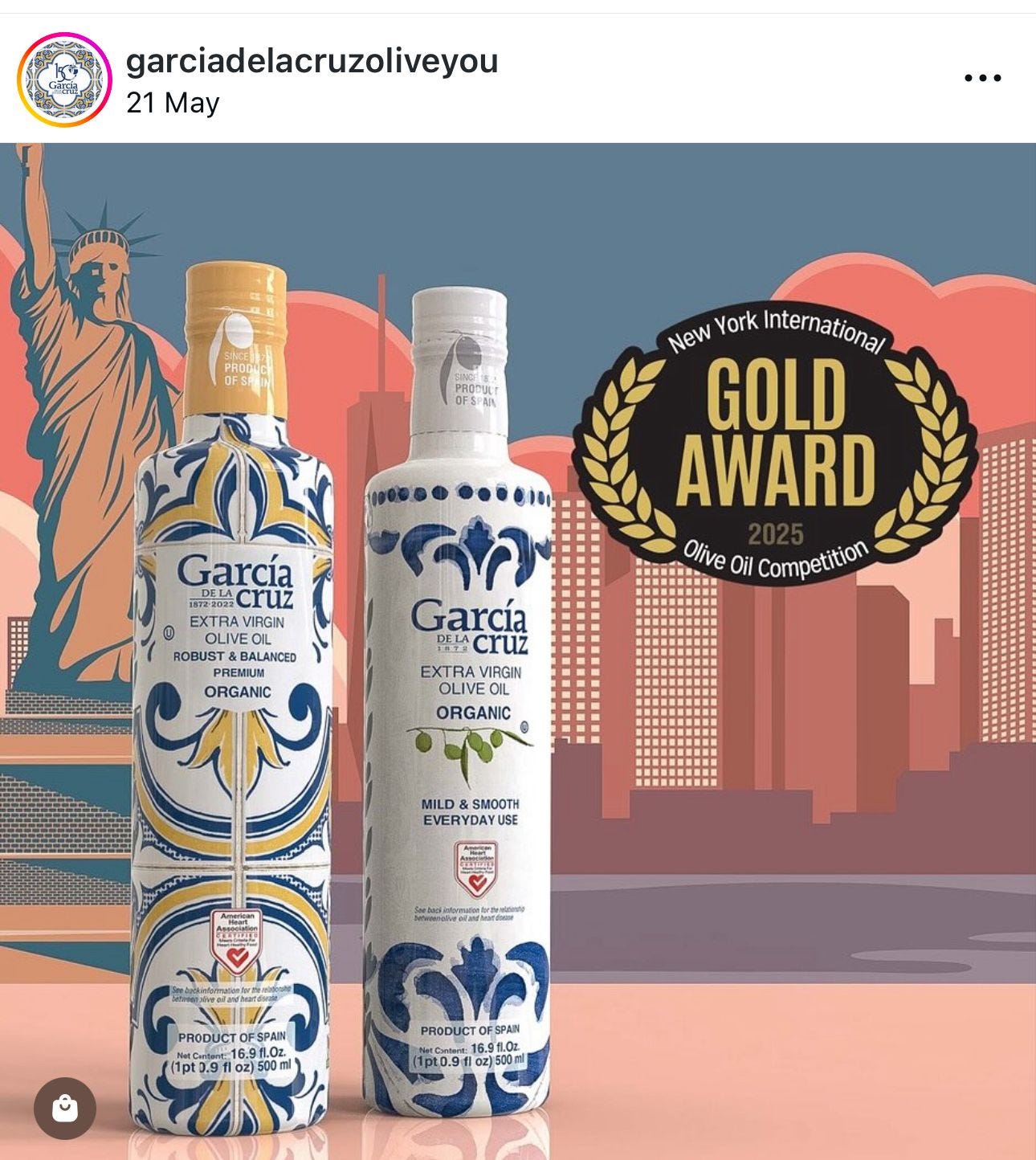
Their oils are drawn from local varieties such as Cornicabra, Arbequina, Picual, and Hojiblanca, all are certified organic. García de la Cruz has won multiple international awards and is one of the key Spanish producers successfully building recognition in the U.S. market.
(Sources: aceitesgarciadelacruz.com, Empresite Spain)
How we became involved - Firo Vázquez: Chef and Olive Oil Expert
Firo Vázquez is well-known in the Region of Murcia and beyond as the chef-owner of Restaurante El Olivar in Moratalla — a place where olive oil has been the main ingredient, not a background note, since he opened it in 2000. He’s a certified olive oil taster, a founding member of the official tasting panel of the Region of Murcia, and an ambassador for EVOO culture in both gastronomy and education.
Over the years, Firo has led olive oil tastings for some of our visiting wine tour groups. The results have seen our guests leave fascinated, surprised, and determined never to look at a bottle of olive oil in the supermarket the same way again.
When he asked me to help refine his presentation in English for this year’s Early Harvest Festival, it felt natural to get involved. Together we worked on clarity, flow, and one particularly engaging section about food waste in the United States — a sobering topic given that roughly 30–40% of the food supply there is wasted each year, according to the U.S. Department of Agriculture (USDA). Used well, extra-virgin olive oil can turn leftovers into dinner—loosening textures, carrying fresh aromatics, and restoring shine. A quick drizzle or 60-second dressing lets leftovers—grains, roast veg, even stale bread or pizza—come back to life instead of heading to the trash.
Why We Went
The more we worked with Firo, the more intrigued I became about the event itself — about what the Early Harvest Festival was really trying to achieve. So, Teresa, my wife, and I packed the car, left Caravaca behind for a couple of days, and drove into the heart of La Mancha to find out for ourselves.
The festival: A Gathering of Olive Oil Ambition
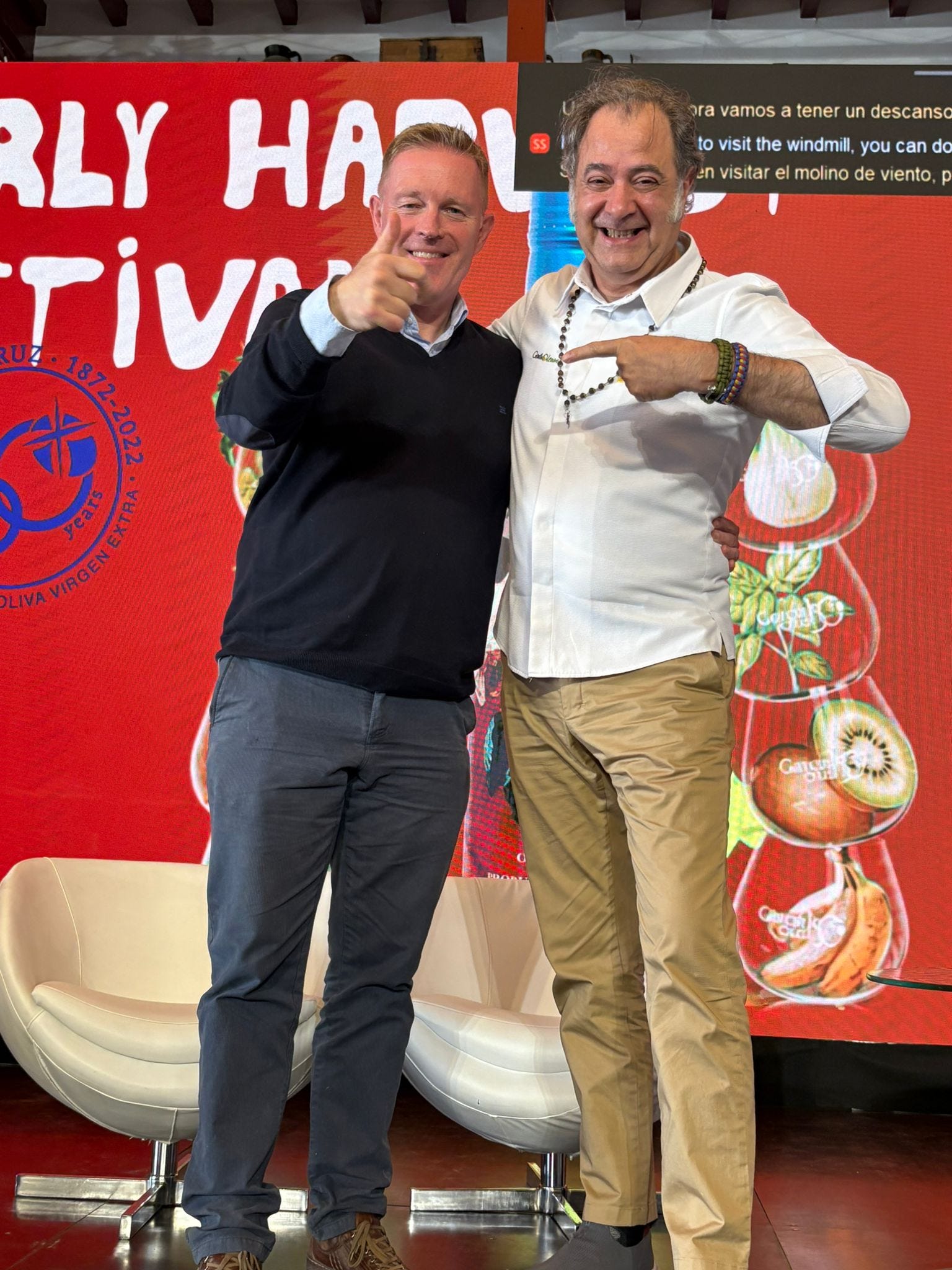
The festival itself felt like a carefully curated crossroads — producers, chefs, educators, and curious visitors, with a clear eye on the U.S. market. There were talks, demonstrations, and open discussions about olive oil culture, all under the generous hospitality of the García de la Cruz family.
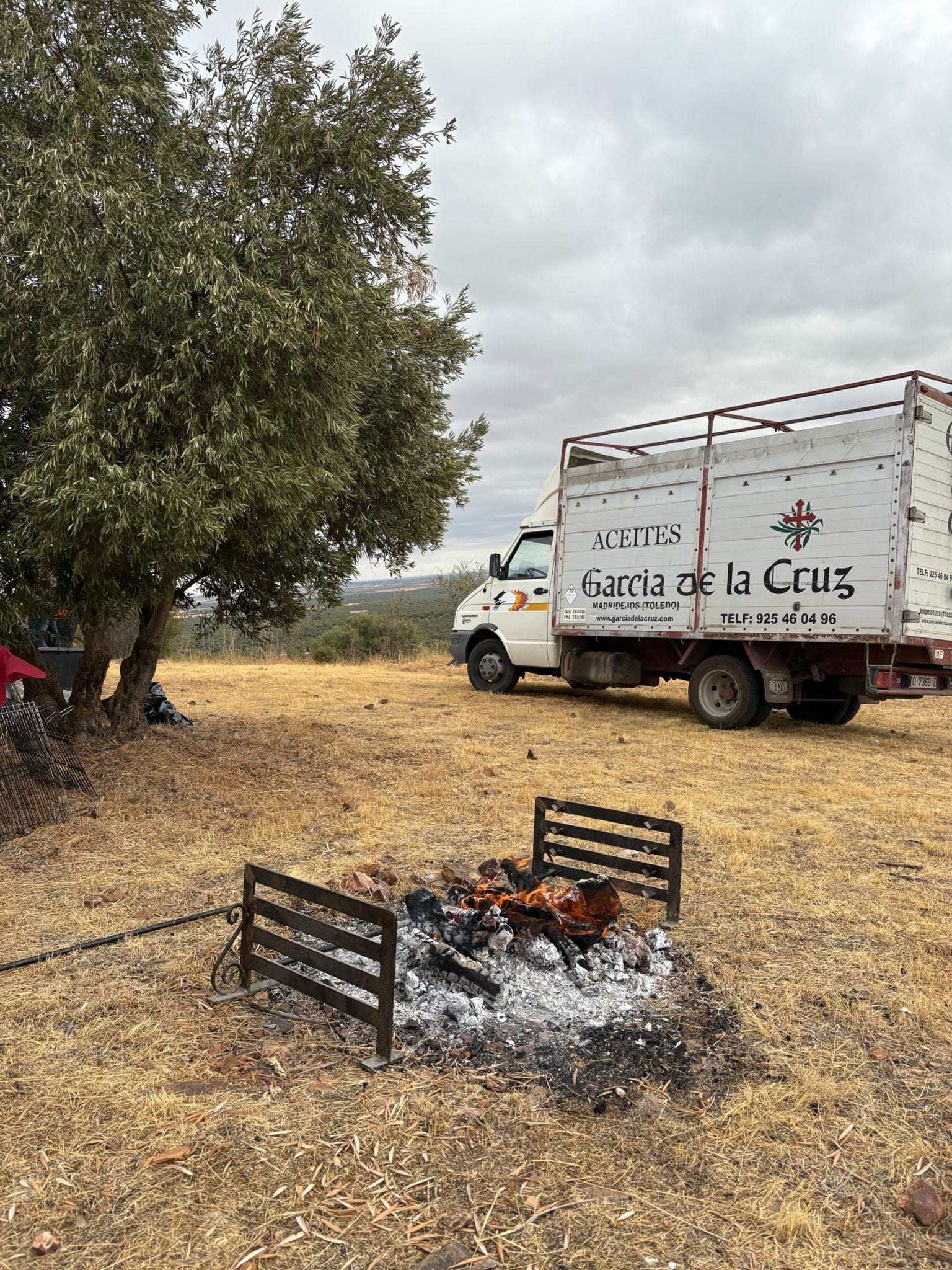
We met some genuinely interesting people — from regional food writers to American chefs and influencers — all eager to learn more about what makes a great olive oil and how to tell its story beyond Spain. There wasn’t much formal tasting, that had happened the day before, but there was something better: a long lunch at a finca among the olive groves, surrounded by the smell of pressed oil and dry earth. The food was simple, rustic, and perfectly in tune with its setting — a proper Castilla-La Mancha campesino chicken dish, cooked slowly in extra virgin olive oil with peppers and I think a hint of white wine, and a touch of white pimentón all heated over an open fire.
The Properties of Extra Virgin Olive Oil — Why It Matters
It’s not just romantic talk. Extra virgin olive oil has within it a remarkable chemistry that makes it more than just tasty fat. Studies consistently show that EVOO’s benefits extend well beyond the kitchen.
In a meta-analysis of 32 cohort studies, olive oil consumption (over and above mere monounsaturated fats) was associated with lower all-cause mortality, cardiovascular disease, and strokes — suggesting the minor components (like phenols) contribute significantly. (pmc.ncbi.nlm.nih.gov)
EVOO has been shown to help manage biomarkers: lower LDL (“bad”) cholesterol, raise HDL, improve glycaemic control, and reduce blood pressure — especially when compared to low-fat diets or other fats. (pmc.ncbi.nlm.nih.gov)
The phenolic compounds and polyphenols found in EVOO act as antioxidants and anti-inflammatory agents, potentially reducing disease risks, modulating oxidative stress and improving vascular health. (pmc.ncbi.nlm.nih.gov)
Even modest consumption — say half a tablespoon a day — has been linked to lower cardiovascular mortality in long-term population studies. (heart.org)
Of course, tailored context matters (overall diet, dosage, quality), and I should say I’m not a medically trained person — just someone who reads, listens, and takes an interest in these things. But when an olive oil is fresh, well stored, and packed with phenolic intensity, it brings both flavour and functional value to the table.
(And in the spirit of Emily Duncan’s excellent talk at the festival on responsible digital communication — @emilyslamduncan — I promise this section has been properly sourced.)
Looking Ahead
The Early Harvest Festival is now an annual event, and it’s clear that García de la Cruz sees it not just as a showcase for their oils, but as a space to explore ideas about how olive oil is communicated to international markets. One of the more interesting debates during the weekend was what to call “extra virgin olive oil” in English-speaking countries — particularly in the United States, where the phrase still confuses consumers.
Several people liked the idea of “Raw Olive Oil” as a possible alternative — it sounds natural, clean, and instinctively good. In the end, no firm decision was made — just plenty of good ideas and the sense that olive oil, like good conversation, resists being neatly labelled.
It’s a reminder that olive oil isn’t just an ingredient; it’s a story — of land, labour, patience, and trust. The harvest marks the beginning of another cycle, one that still depends on people like Firo who treat the oil with reverence, not routine.
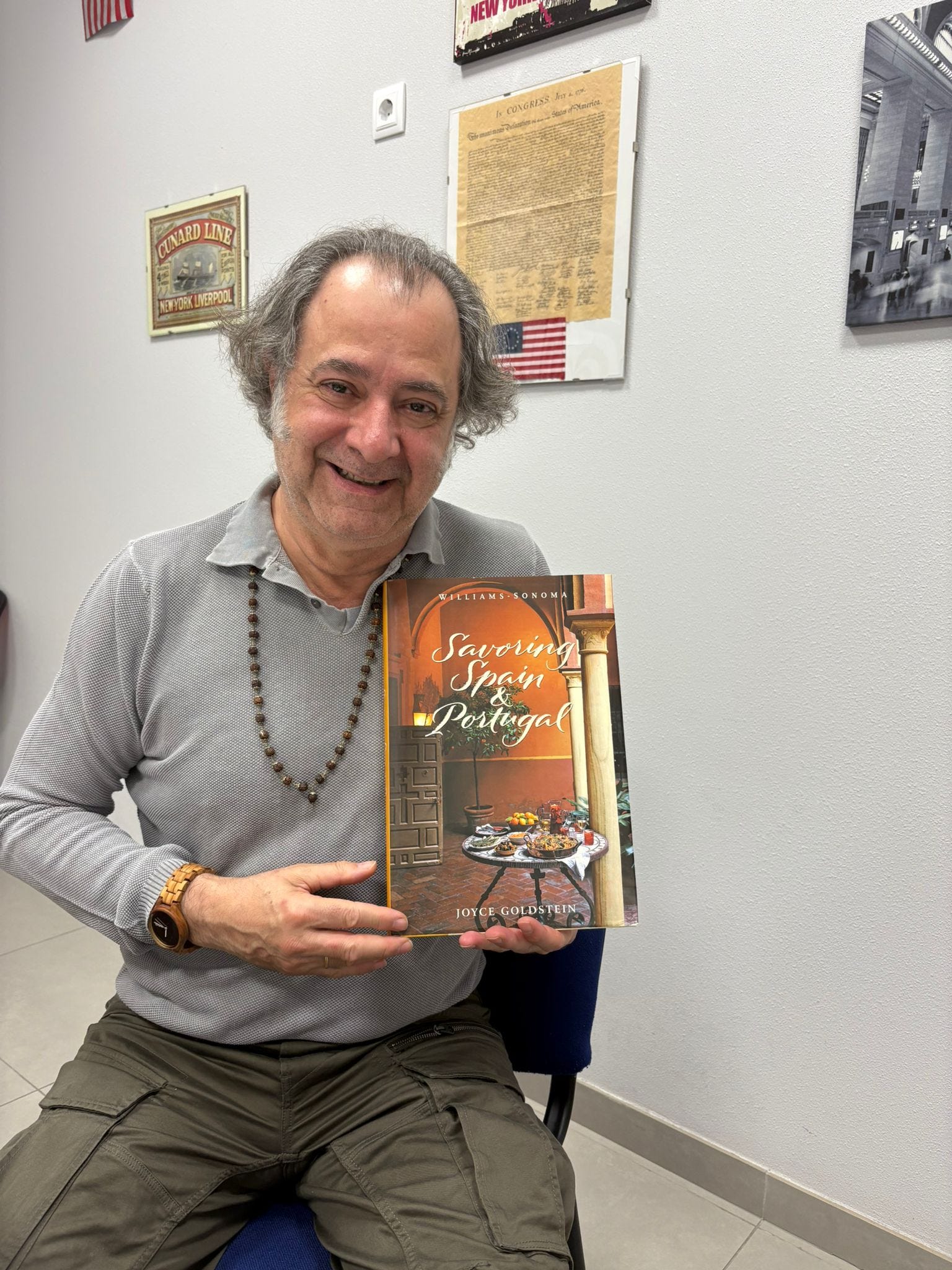
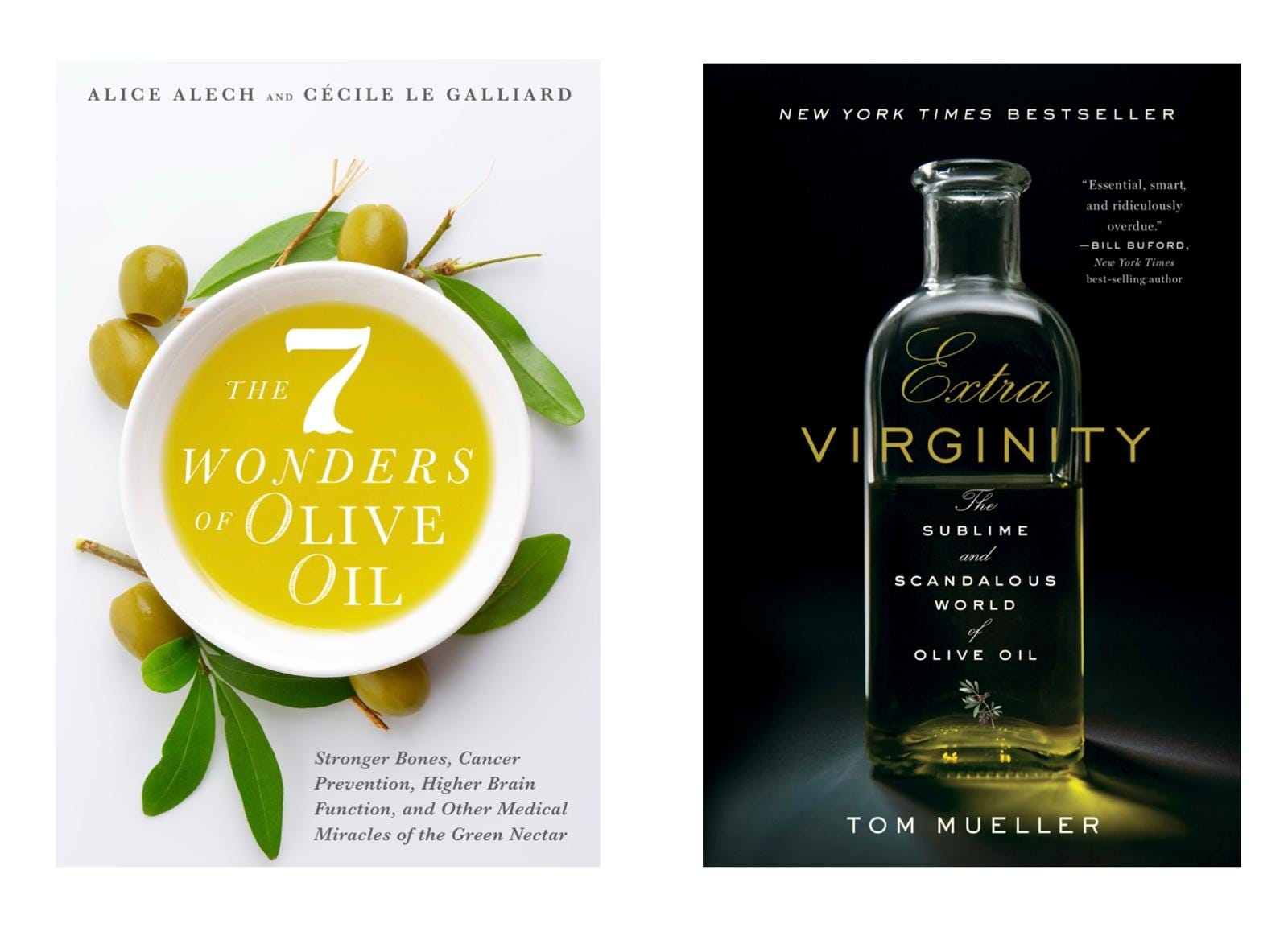
That same spirit of curiosity and care runs through much of the writing about olive oil, too. Two books I’ve really enjoyed on the subject couldn’t be more different. The 7 Wonders of Olive Oil by Alice Alech and Cécile Le Galliard, which I’ve already read, is an uplifting, science-meets-lifestyle celebration of what they call “liquid gold” — full of stories, research, and gentle persuasion about how extra virgin olive oil can quietly transform your health and your cooking.
I’m currently deep into Tom Mueller’s Extra Virginity: The Sublime and Scandalous World of Olive Oil, a far grittier journey that traces olive oil’s history from the temples and trading ports of the ancient Mediterranean to the supermarket shelves of today. Mueller blends history, travel writing, and investigative journalism, uncovering the trade’s murkier side — corruption, counterfeiting, even the odd brush with the mafia — alongside the tireless efforts of honest producers trying to protect tradition and quality.
Between them, they show the light and shade of the same story: the wonder, and the fight, behind every drop of real extra virgin olive oil.
If you’ve read either of these — or have another olive oil book to recommend — I’d love to hear your thoughts in the comments.
Closing Thoughts
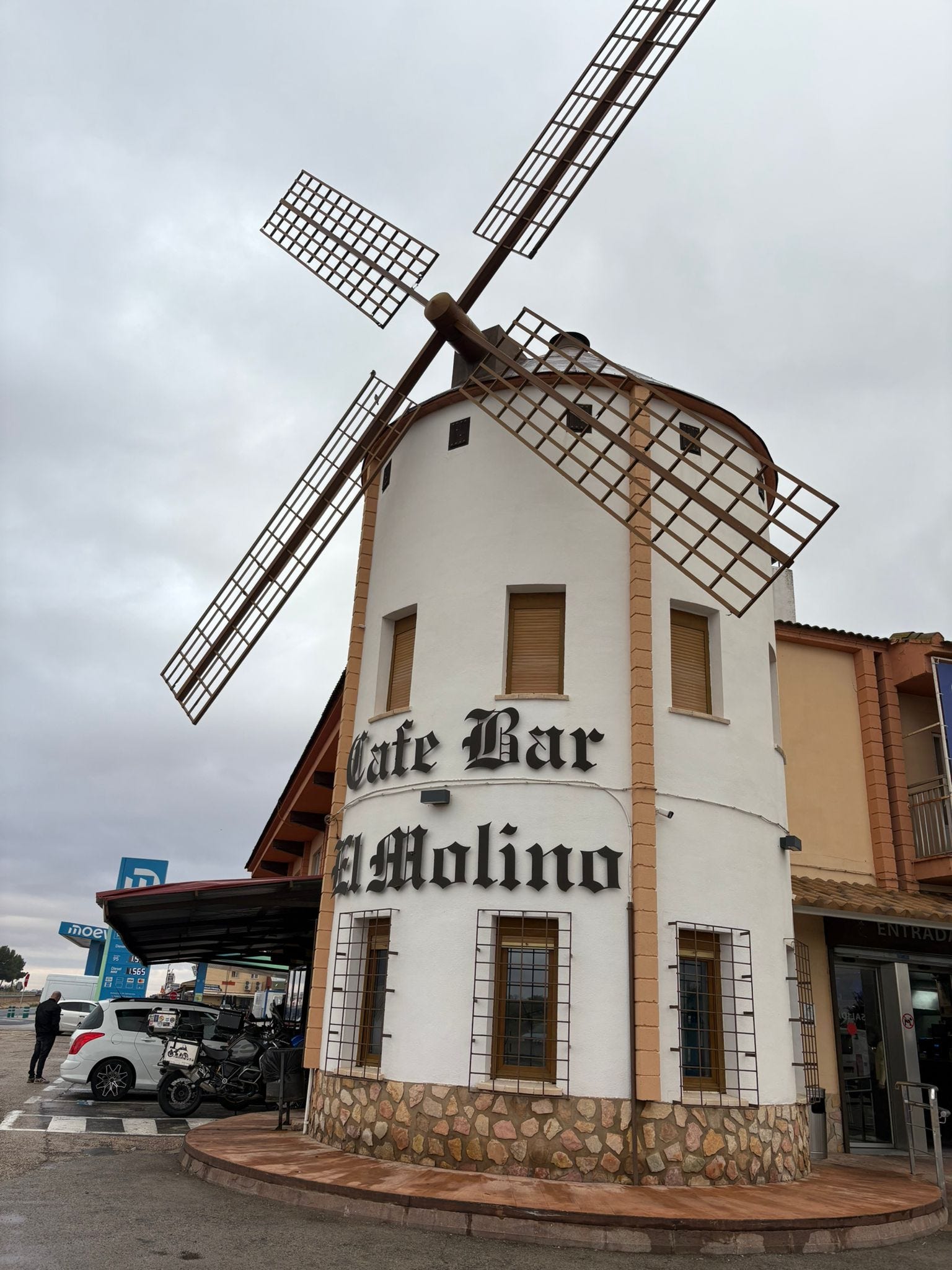
We drove back to Caravaca on Sunday afternoon, past the windmills that Don Quixote once mistook for giants. It felt like a fitting end to a weekend in La Mancha — the landscape, the family behind García de la Cruz, and the product itself all reminding us that olive oil isn’t just a commodity, it’s the result of people who care about where things come from. And maybe that’s what keeps a few of us still out here, tilting at windmills in our own way. (I wrote more about those same windmills and the spirit of La Mancha in an eairlier Substack piece La Mancha, Between Wine and Imagination
These are the kind of stories we love sharing on our tours — meeting the people behind Spain’s best wines and gastronomy, and understanding the places that shape them.
If you’re the kind of person who values authenticity, good food, and a sense of place, you’ll fit right in. You can find out more about our upcoming experiences here: www.senseexperiences.net
Email: tony.senseexperiences@yahoo.com
Footnotes & Further Reading
“USDA Food Waste FAQs,” United States Department of Agriculture, updated 2023 — estimates 30–40% of food in the U.S. is wasted annually. (usda.gov)
“Aceites García de la Cruz — About Us.” aceitesgarciadelacruz.com
“Firo Vázquez — Restaurante El Olivar.” about.me